The Charming yet Deadly Pufferfish: A Marvel of the Seas
In the temperate and tropical waters of the world's oceans, the pufferfish, with its distinctive cylindrical body and measuring 15 to 30 centimeters in length, gracefully navigates its marine habitat. Feeding mainly on shellfish and algae, this unassuming creature has evolved a unique and captivating survival strategy that sets it apart from other sea dwellers.
1 minute read

The Playful Engineers of the North Pacific: Adorable Sea Otters
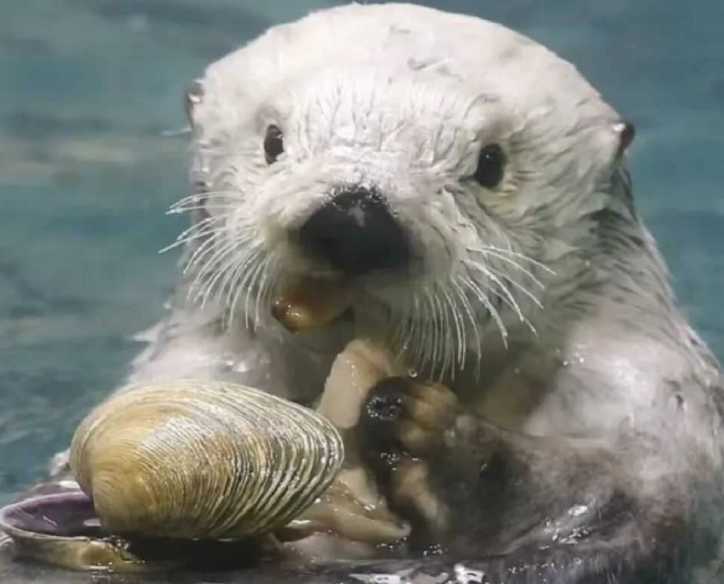
In the chilly waters of the North Pacific, sea otters—charismatic marine mammals—thrive. Measuring 1 to 1.5 meters in length and weighing 20 to 45 kilograms, these creatures are renowned for their love of shellfish and sea urchins, which they hunt while floating on their backs in a seemingly carefree manner. Their unique lifestyle and endearing appearance make them a beloved sight in coastal ecosystems.
1 minute read
The Vaquita: Mexico’s Critically Endangered "Sea Panda"
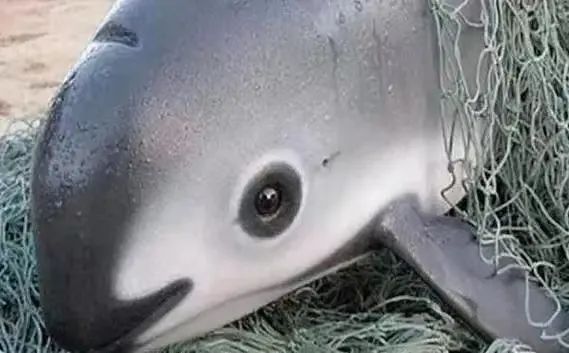
Native to Mexico’s Gulf of California, the vaquita is a tiny porpoise with a big heart—and an even bigger fight for survival. Measuring about 1.5 meters in length and weighing around 50 kilograms, this shy marine mammal subsists on small fish and squid. Tragically, it holds the distinction of being the world’s most endangered cetacean, with fewer than 20 individuals remaining in the wild.
1 minute read
The Quirky Boxfish: A Living Underwater Cartoon in Tropical Reefs
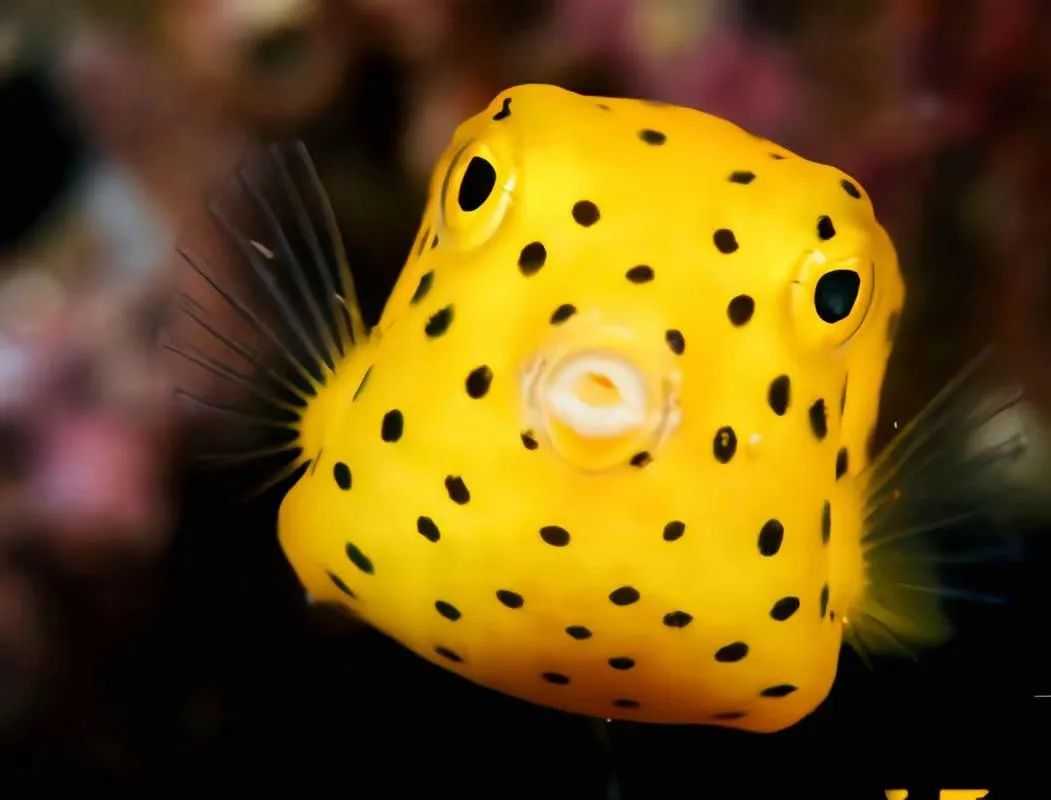
In the vibrant coral reefs of the Indian and Pacific Oceans, the Ostracion cubicus, or "papaya fish," adds a splash of whimsy to the marine world. Growing between 10 to 25 centimeters in length, this tropical inhabitant dwells among coral formations, munching on algae and small invertebrates. Its unique appearance makes it stand out like a character from an animated film.
1 minute read
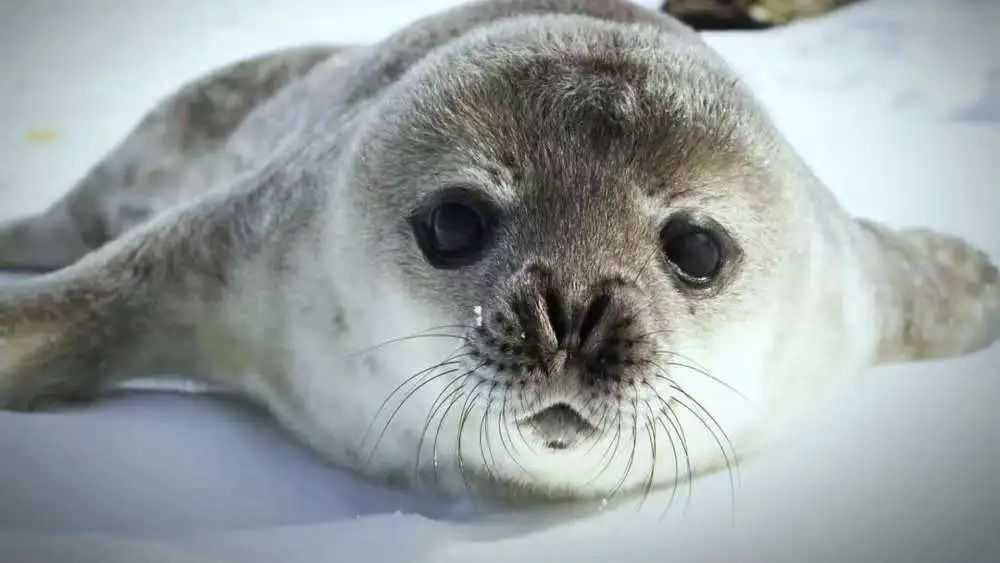
The Enchanting Spotted Seal: A Guardian of Northern Waters
In the temperate seas of the Northern Hemisphere, the spotted seal (Phoca largha) thrives as a charismatic marine mammal. Growing 1.5 to 2 meters in length, this species relies on a diet of fish and shellfish to sustain its life in the ocean’s dynamic ecosystems. As a first-class protected animal in China, it holds a critical place in conservation efforts aimed at preserving marine biodiversity.
1 minute read
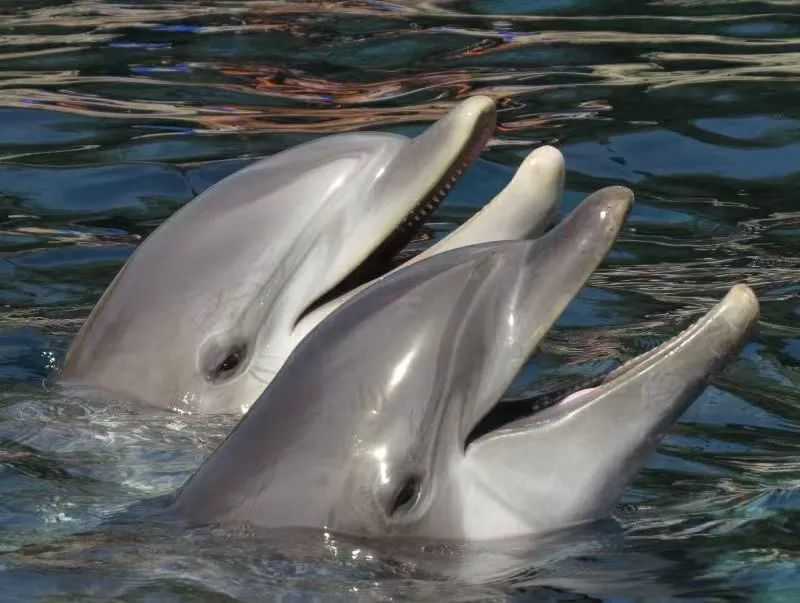
The Friendly Faces of the Sea: Bottlenose Dolphins
Widely distributed in tropical to temperate oceans, bottlenose dolphins (Tursiops truncatus) are beloved for their intelligence and approachable demeanor. Ranging from 2 to 4 meters in length, these marine mammals feed primarily on fish and squid, navigating coastal waters and open seas with remarkable agility. Their iconic appearance and social nature make them a favorite among marine enthusiasts worldwide.
1 minute read
The Dapper "Gentlemen" of the Antarctic: Chinstrap Penguins
Inhabiting the windswept islands surrounding Antarctica, chinstrap penguins (Pygoscelis antarctica) are small yet striking birds perfectly adapted to life in the harsh southern polar region. Standing about 70 centimeters tall, these penguins thrive on a diet of krill and small fish, navigating icy waters and rocky shores with equal ease. Their distinctive appearance makes them one of the most recognizable species in the Antarctic ecosystem.
1 minute read

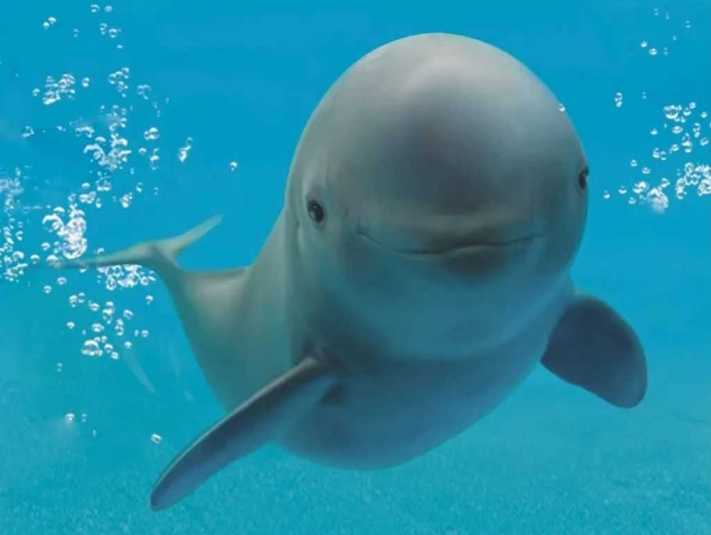
The "Giant Panda of the Water": Yangtze Finless Porpoises
In the waters of the Yangtze River and its coastal regions dwells a diminutive cetacean known as the Yangtze finless porpoise, revered as the "giant panda of the water." Measuring about 1.5 meters in length, this critically endangered species is a national first-class protected animal, with its population teetering on the edge of survival. Its unique appearance and ecological significance make it a symbol of urgency for freshwater conservation.
1 minute read
The Enchanting Sea Horses: Nature’s Miniature Marine Marvels
While it’s no secret that sea horses aren’t horses, these captivating creatures have long charmed observers with their whimsical appearance and unique behaviors. Belonging to the Syngnathidae family of bony fish, sea horses inhabit tropical and temperate shallow waters, ranging in size from 5 to 30 centimeters. Unlike most fish, they boast a suite of adaptations that make them stand out as true oddities of the ocean.
1 minute read

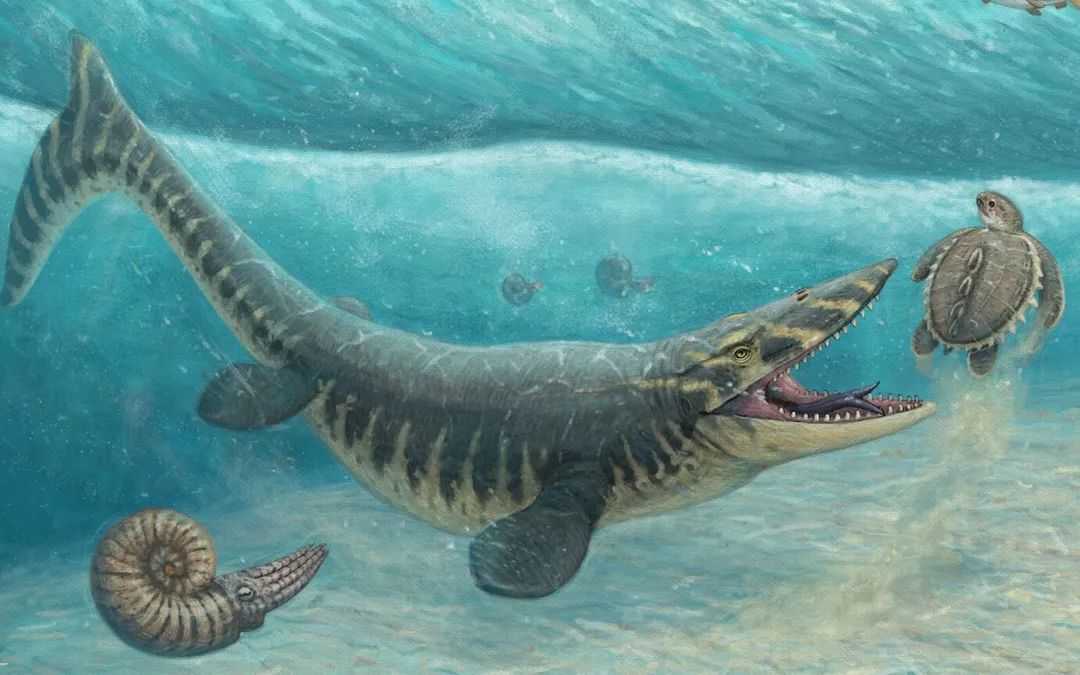
Tylosaurus: The Colossal Marine Reptile of the Cretaceous Seas
Dominating the oceans approximately 70 million years ago during the Cretaceous period, Tylosaurus stood as a fearsome apex predator and one of the largest members of the mosasaur family. Stretching an imposing 14.5 meters in length, this marine reptile combined the sleek agility of a modern-day shark with the raw power of a prehistoric giant, ruling the ancient seas with unmatched ferocity.
1 minute read
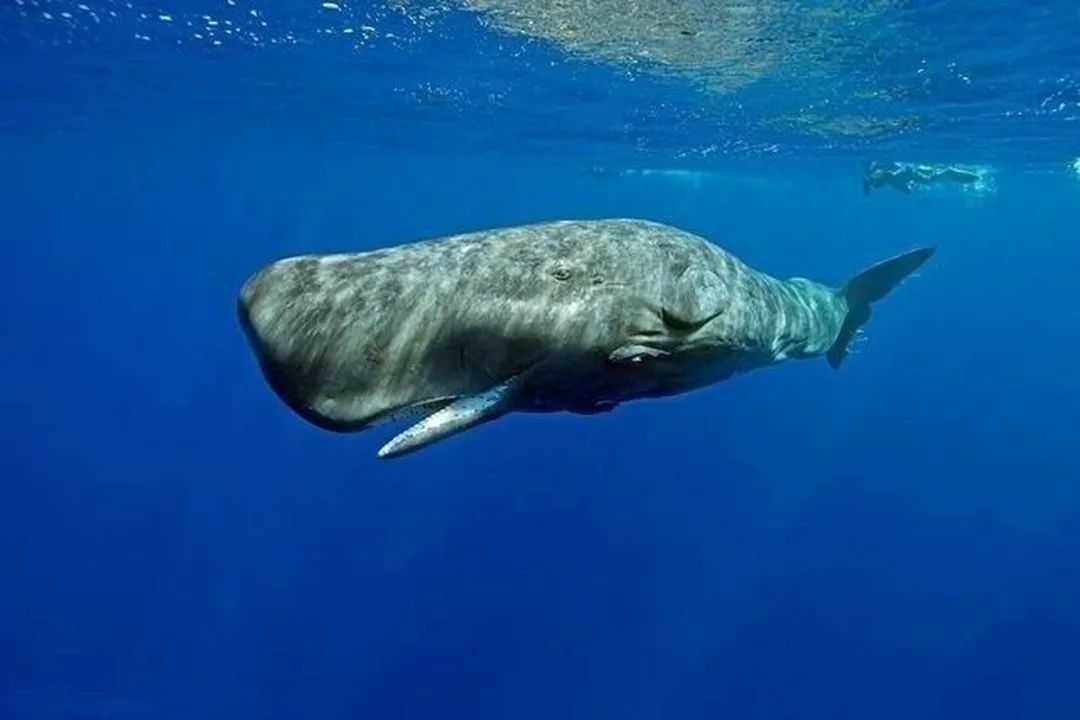
Sperm Whales: Titans of the Deep with Complex Lives
Growing up to 16 meters in length, sperm whales (Physeter macrocephalus) are defined by their enormous heads, which make up nearly one-third of their body size. These marine giants dominate the deep ocean, blending imposing physiology with a sophisticated social structure that has fascinated scientists for decades. From their coordinated hunting strategies to their mysterious resting behaviors, they embody the ocean’s enigmatic power.
1 minute read
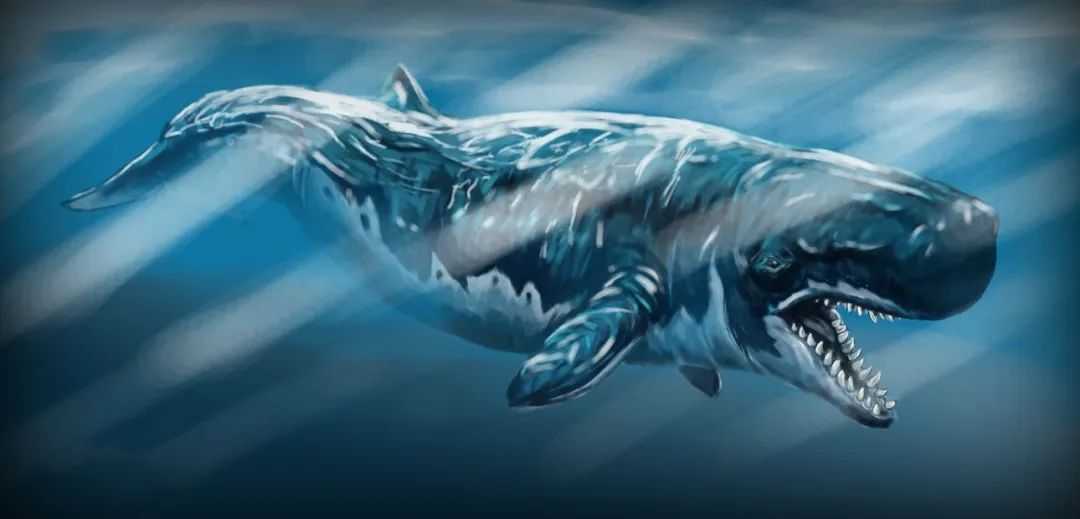
Livyatan melvillei: The Prehistoric Sea Predator That Ruled the Oceans
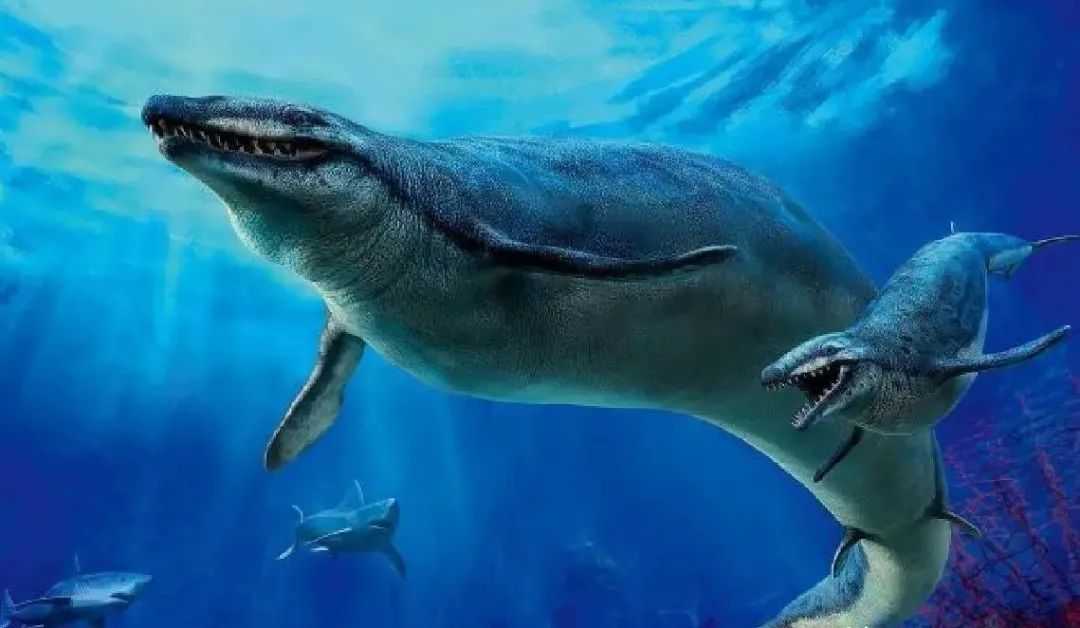
Measuring up to 17 meters in length, Livyatan melvillei, a close relative of modern sperm whales, roamed the oceans around 13 million years ago. With a body shape reminiscent of its contemporary kin, this ancient marine mammal may have looked somewhat familiar, but its predatory habits set it apart as a fearsome force in the prehistoric seas.
1 minute read
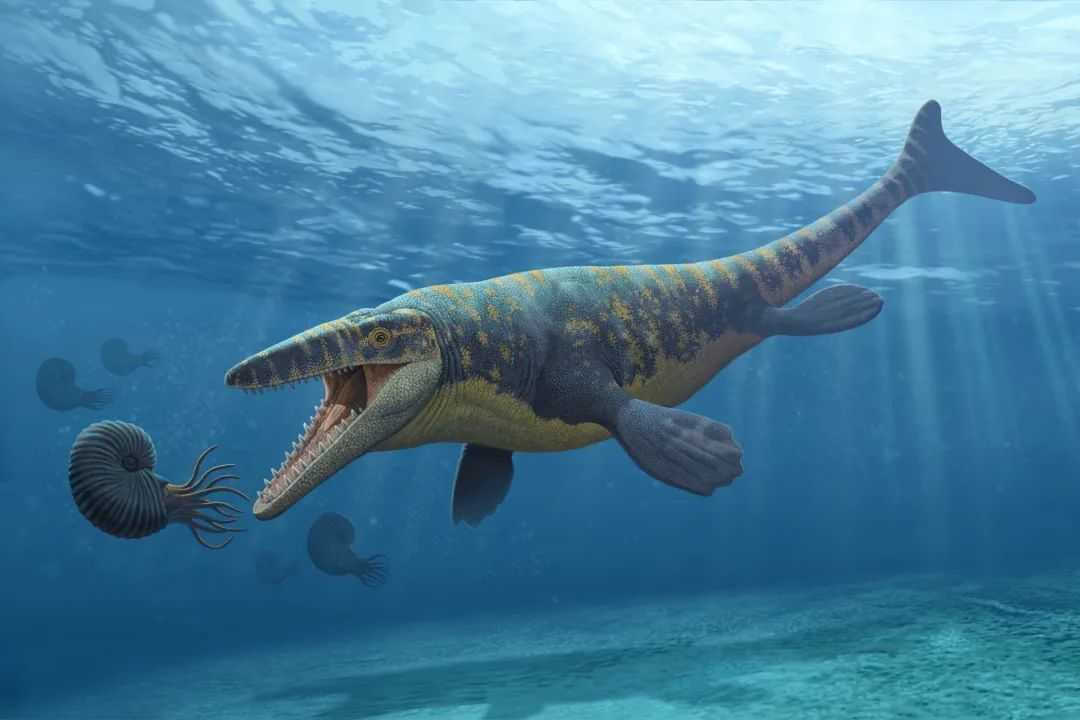
Mosasaurus: The Reptilian Tyrant That Conquered Cretaceous Seas
Dominating the oceans during the late Cretaceous period, Mosasaurus stood as a fearsome marine reptile, measuring over 17 meters in length and reigning as the undisputed apex predator of its time. Unlike modern marine creatures, this colossal beast traced its evolutionary roots to small, land-dwelling lizards, a transformation that culminated in one of the most successful oceanic conquests in prehistory.
1 minute read
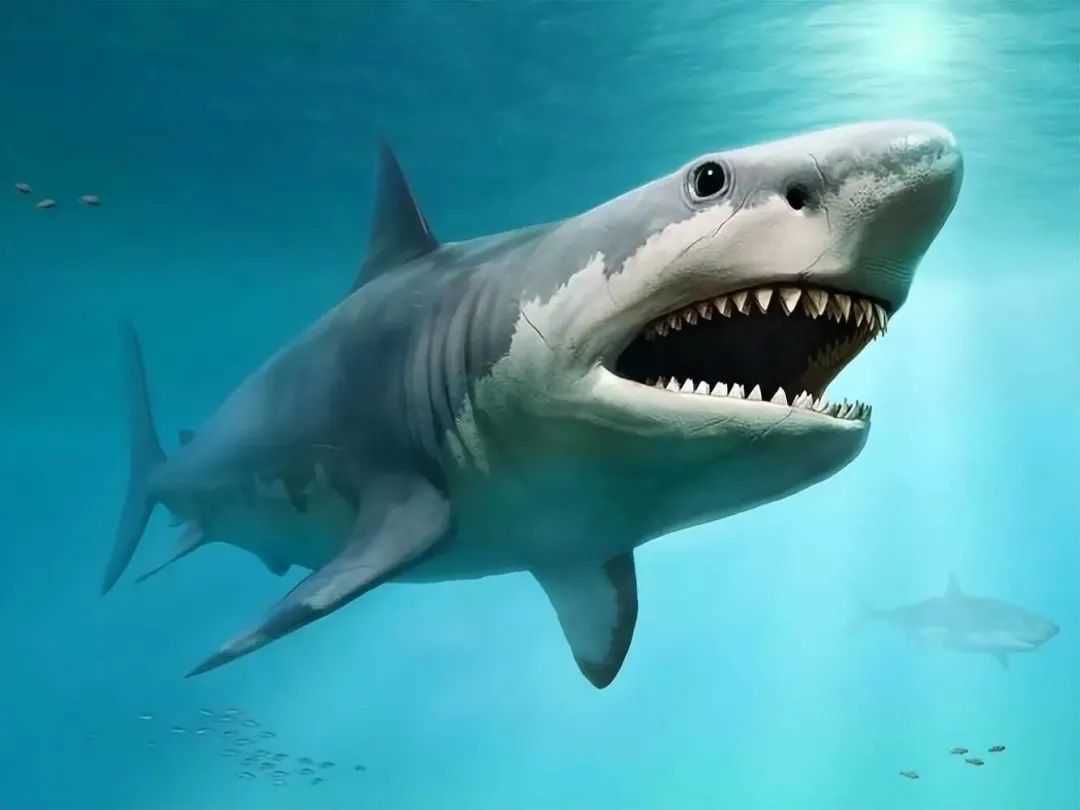
Megalodon: The Unmatched Apex Predator of Prehistoric Seas
Stretching over 18 meters in length, Megalodon (Carcharocles megalodon) ruled the oceans alongside Livyatan melvillei approximately 23 to 3.6 million years ago. Renowned as the creature with the most powerful bite force ever recorded—exceeding 30 tons—this colossal shark dwarfed even its massive whale counterpart in size and weight, solidifying its status as the ultimate marine predator of its era.
1 minute read
Basilosaurus: The Prehistoric Whale That Dominated Ancient Seas
Stretching over 20 meters in length, Basilosaurus stands as a legendary ancestor of modern whales and the undisputed ruler of oceans 30 million years ago during the Eocene epoch. Often referred to as the "king of whales," this colossal marine reptile-turned-mammal combined an imposing physique with unique hunting strategies, making it a formidable force in its prehistoric ecosystem.
1 minute read