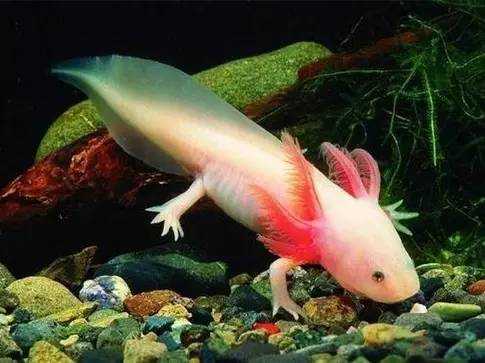
The Malayan Tapir: Southeast Asia’s Elusive 'Living Fossil' with a Distinctive Black-and-White Coat
Native to the dense rainforests of Malaysia, Thailand, and Sumatra, the Malayan tapir (Tapirus indicus), also known as the Asian tapir, stands out as one of the region’s most unique and endangered mammals. Recognized by its striking black-and-white coloration and prehensile snout, this large herbivore is often called a "living fossil" due to its ancient lineage and primitive features.
2 minute read
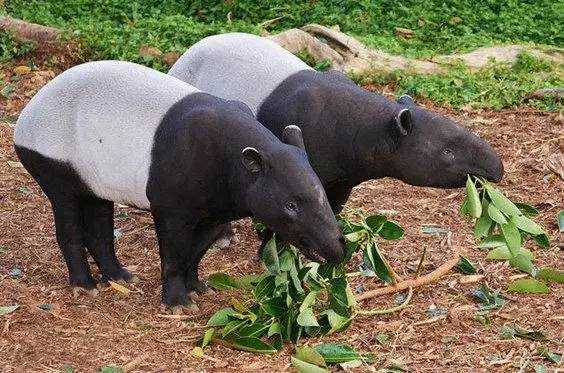
The Emperor Tamarin: A Regal Primate with a Distinctive Handlebar Mustache
Native to the rainforests of the Amazon Basin in South America, the emperor tamarin (Saguinus imperator) has earned its name from its striking facial feature: a long, white mustache that droops elegantly over its chin, resembling the grandeur of a royal portrait. This small primate, found in Brazil, Peru, and Bolivia, captivates researchers and nature enthusiasts with its unique appearance and social behavior in the dense forest canopy.
1 minute read
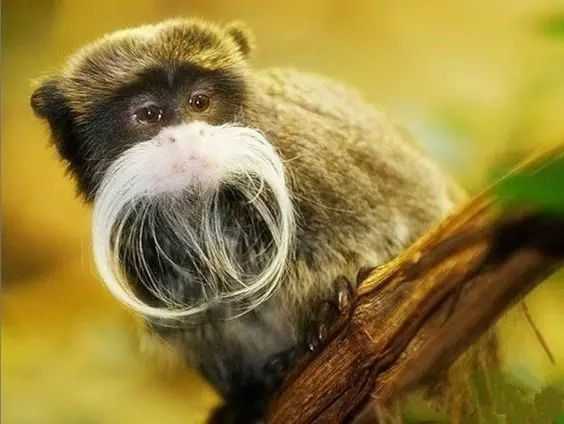
The Komondor: Hungary’s Majestic 'Mop Dog' with a Royal Guard Legacy
Native to the grasslands of Hungary, the Komondor is a large, imposing breed renowned for its distinctive corded coat, which resembles long, white dreadlocks. Often called the "mop dog," this ancient herding breed has protected livestock for centuries, combining a fearsome appearance with unwavering loyalty to its human family.
1 minute read
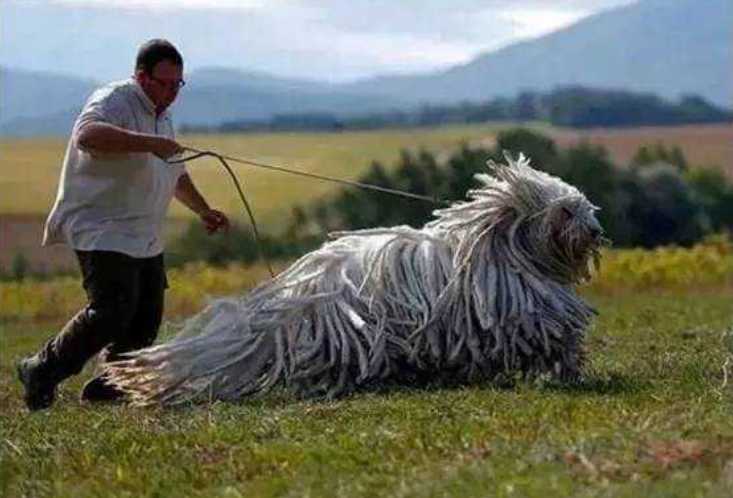
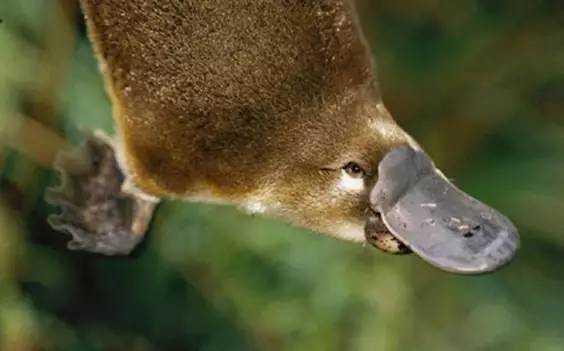
The Platypus: Australia’s Bizarre 'Duck-Billed' Mammal, a Living Evolutionary Enigma
Native to the freshwater rivers of eastern Australia, the platypus (Ornithorhynchus anatinus) stands as one of the world’s most extraordinary creatures—an odd blend of mammalian, reptilian, and avian traits that baffled scientists when first discovered. Often called a "living fossil," this semiaquatic mammal lays eggs, produces milk, and sports a duck-like bill, making it a unique representative of the ancient monotreme order.
2 minute read
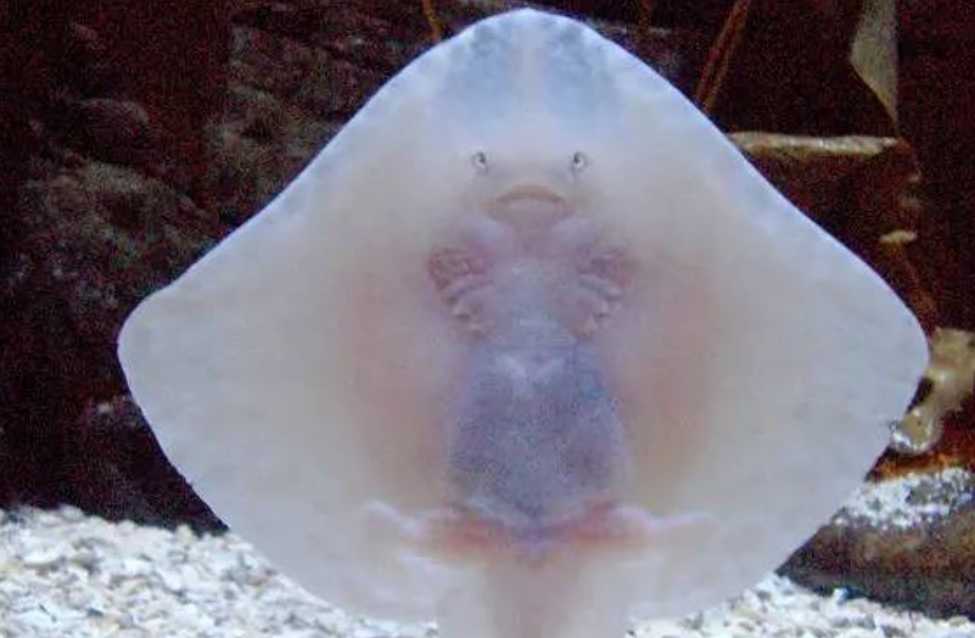
The Ray: A Diverse Group of Flat-Bodied Cartilaginous Fishes
Rays are a collective term for numerous flattened cartilaginous fishes in the orders Rajiformes and Myliobatiformes within the class Chondrichthyes. Below is a detailed introduction to these unique marine creatures:
2 minute read
Adorable and Fluffy: The Angora Rabbit
The Angora rabbit is a well - known and beloved domestic rabbit variety. Originating from what is now Ankara, Turkey, it has a long history of being bred for its soft and luxurious wool. It became popular among French royalty in the 18th century and later spread across Europe and to the United States
1 minute read

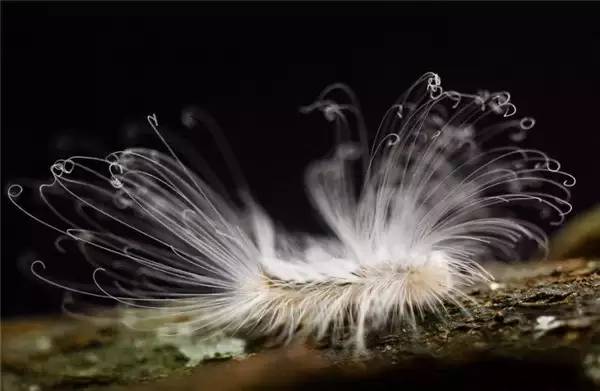
The Long Caterpillar: Nature’s Elongated Larval Wonders
Caterpillars, the larval stage of butterflies and moths, exhibit remarkable diversity, with some species evolving elongated bodies to survive in unique ecological niches. These "long caterpillars" captivate biologists and nature enthusiasts alike, blending adaptation with bizarre aesthetics.
1 minute read
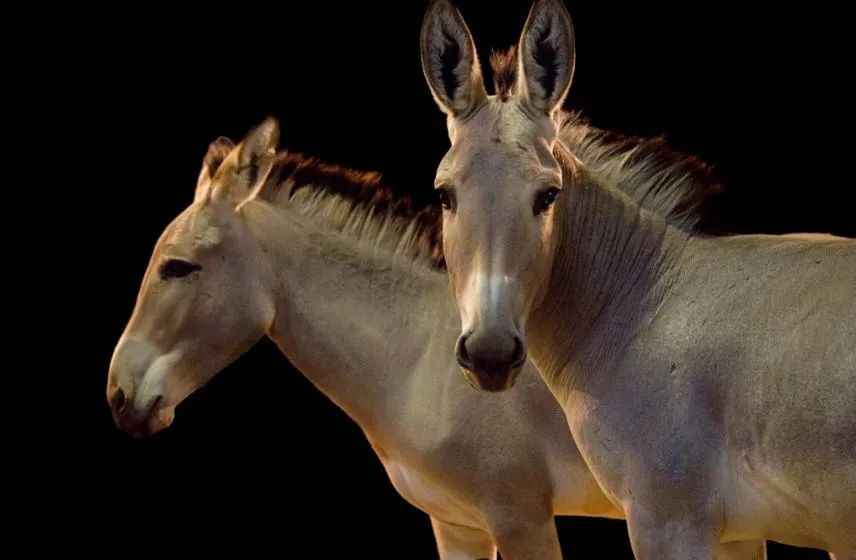
Somali Wild Ass: East Africa’s Critically Endangered "Living Fossil" Faces Extinction Crisis
In the arid semi-deserts of the Horn of Africa lives an elegant and resilient creature—the Somali wild ass (Equus africanus somaliensis). As one of the wild ancestors of modern domestic donkeys, they once thrived in the dry grasslands and hills of Ethiopia, Eritrea, and Somalia. However, a combination of climate change, habitat loss, and human activities is pushing this species to the brink of extinction.
2 minute read
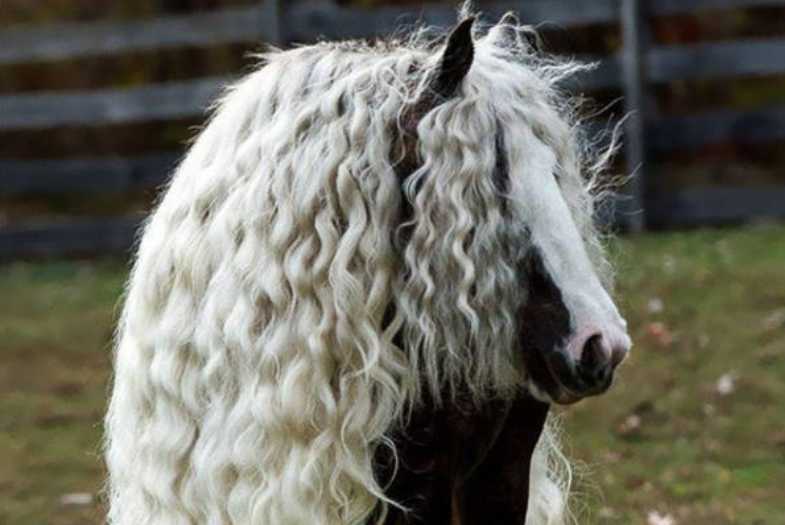
The Gypsy Vanner Horse: A Majestic Breed with a Rich Cultural Heritage
The Gypsy Vanner horse, also known as the Irish Cob or Gypsy Horse, is a distinctive breed renowned for its striking appearance and deep roots in Romani (Gypsy) culture. Originating in the British Isles and Ireland, these horses were bred by Romani people for their strength, stamina, and ability to pull caravans, combining practical utility with eye-catching aesthetics.
1 minute read
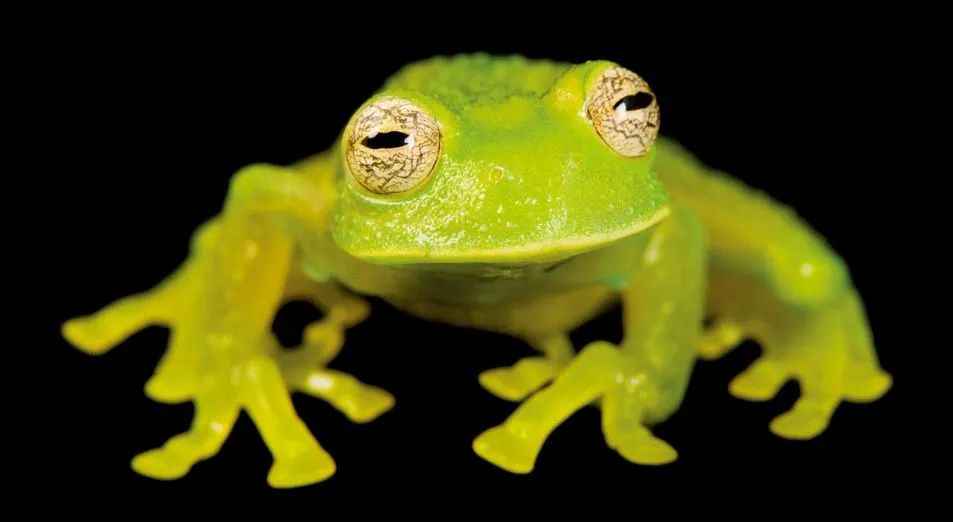
Scientists Warn: 'Living Crystal' Buckley's Glass Frog Faces Extinction in Amazon Rainforest
Deep in the mist-shrouded cloud forests of the Andes, a frog with a body as transparent as glass teeters on the brink of crisis. The Buckley's glass frog (Centrolene buckleyi) is renowned for its translucent abdomen, where its beating heart, digestive system, and bones are visible—a natural "living dissection." However, the International Union for Conservation of Nature (IUCN) has classified this species as Vulnerable, with wild populations collapsing due to habitat destruction and illegal trade.
2 minute read
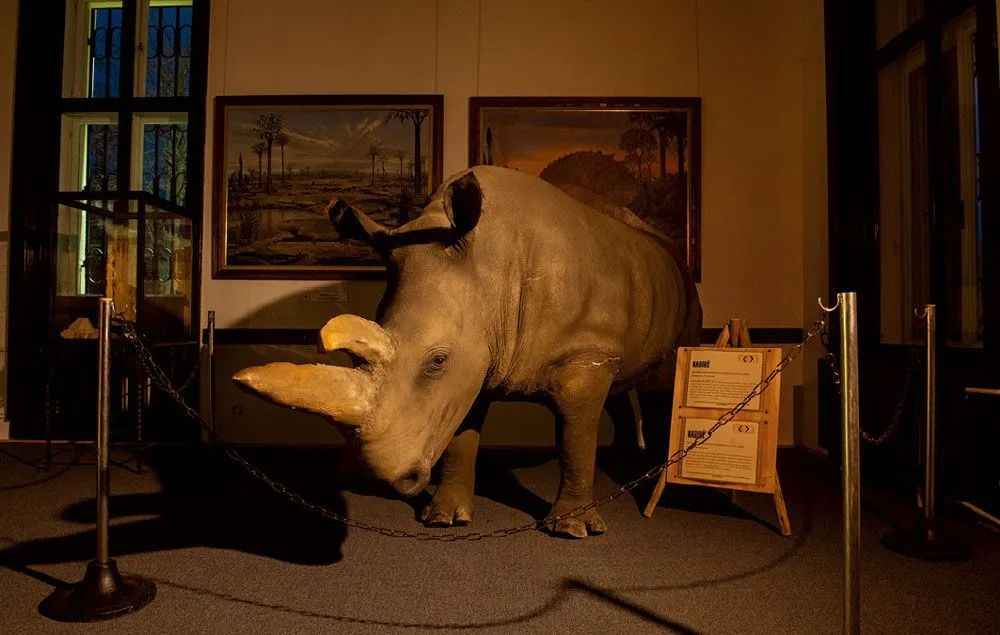
Last Male Northern White Rhino's Death Seals Species' Fate
Prague, [News Date] – The extinction of the northern white rhinoceros was formally sealed in 2018 with the death of Nabire, the last male of the species, at Dvůr Králové Zoo in the Czech Republic. The 31-year-old rhino, born in captivity, breathed his last in March, marking the end of a lineage that once roamed central Africa's savannas.
1 minute read
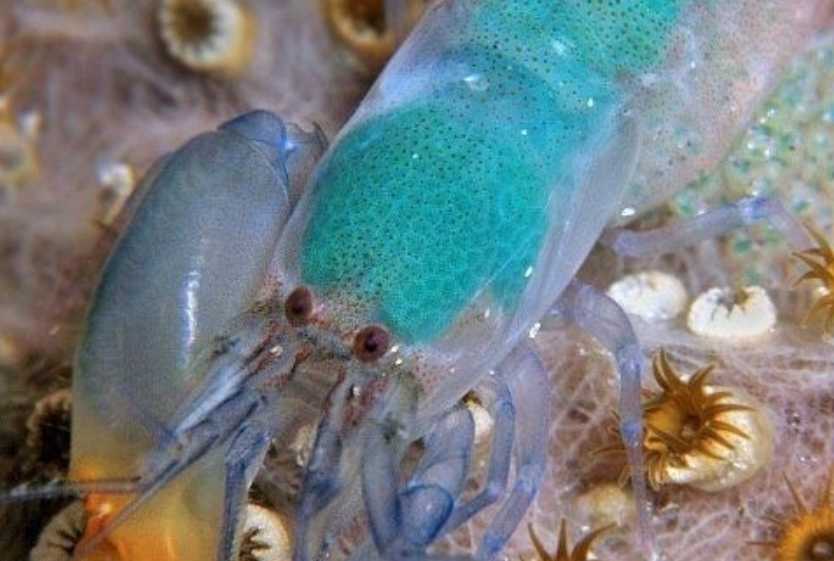
The Pistol Shrimp: Nature’s Underwater Sonic Boom Specialist
The pistol shrimp, also known as the "snapping shrimp," is a fascinating crustacean renowned for its ability to create a powerful sonic boom using a specialized claw. Found in tropical and subtropical marine environments worldwide, this small but mighty creature has evolved one of nature’s most remarkable acoustic weapons.
2 minute read
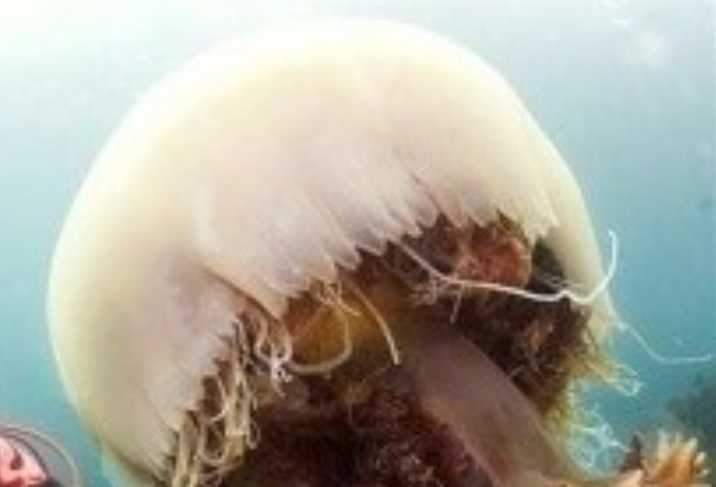
The Lion's Mane Jellyfish: The Ocean's Gigantic, Frilly Predator of the Cold Depths
The lion's mane jellyfish (Cyanea capillata) is a majestic and imposing creature, renowned as one of the largest jellyfish species in the world. Found in cold, boreal waters of the Arctic, North Atlantic, and North Pacific oceans, its name stems from its striking appearance—long, flowing tentacles resembling a lion's mane, which give it both beauty and a fearsome reputation as a predator.
2 minute read
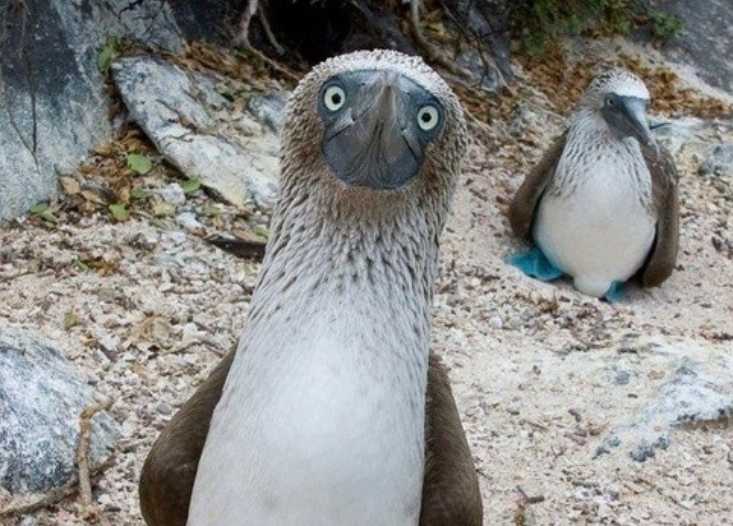
The Blue-Footed Booby: Galápagos’ Colorful Seabird with a Dashing Mating Dance
Native to the tropical and subtropical coasts of the eastern Pacific Ocean, the blue-footed booby (Sula nebouxii) is an iconic seabird best known for its most striking feature—bright blue feet that range from a pale turquoise to a vivid cobalt. Made famous by the Galápagos Islands, this charismatic bird has captivated scientists and nature lovers with its unique appearance and elaborate courtship rituals.
2 minute read
The Axolotl: Mexico’s Remarkable 'Walking Fish' and Genetic Marvel
Native to the freshwater lakes of Mexico City, the axolotl (Ambystoma mexicanum) is a salamander unlike any other—renowned for its permanent larval form, vibrant pinkish hue, and extraordinary regenerative abilities. Often called the "walking fish" due to its aquatic lifestyle, this critically endangered species has captivated scientists for centuries, serving as a key model in developmental biology.
2 minute read