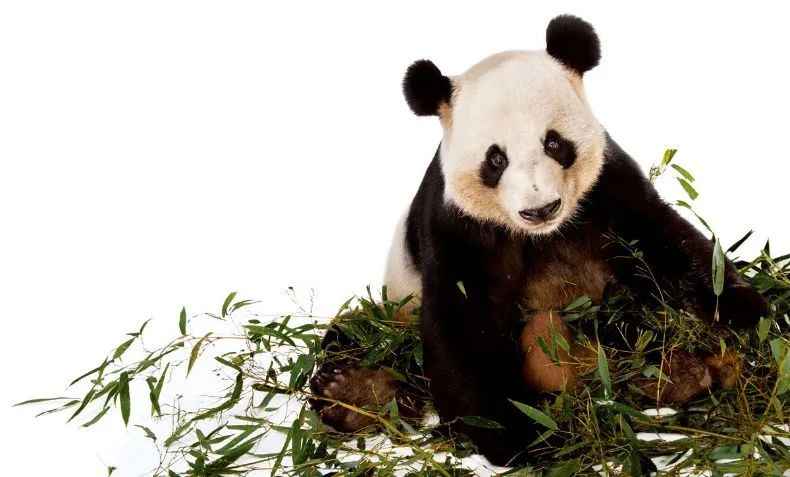
Vulnerable Giant Pandas: China’s Conservation Success and Ongoing Challenges
China’s iconic giant pandas (Ailuropoda melanoleuca), classified as "Vulnerable" on the IUCN Red List, have seen their wild population rebound to nearly 1,900 individuals through decades of conservation efforts, according to the latest data from China’s National Forestry and Grassland Administration. This marks a significant recovery from the 1980s, when fewer than 1,100 pandas roamed the wild. Despite this progress, habitat fragmentation, climate change, and bamboo die-offs continue to threaten their long-term survival
2 minute read
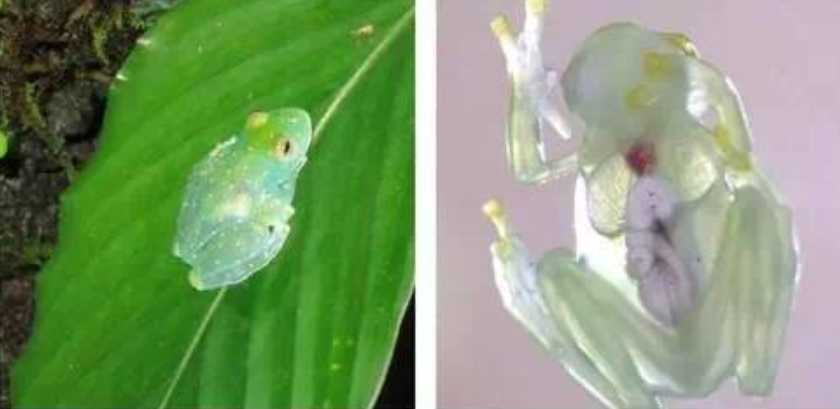
The Glass Frog: Nature’s Transparent Amphibian with a Window to Its Inner World
Native to the cloud forests of Central and South America, the glass frog (family Centrolenidae) is a remarkable amphibian celebrated for its most unique trait—transparent skin on its belly, allowing observers to see its beating heart, intestines, and even eggs. This evolutionary marvel has captivated biologists, offering a rare glimpse into the inner workings of a living animal.
2 minute read
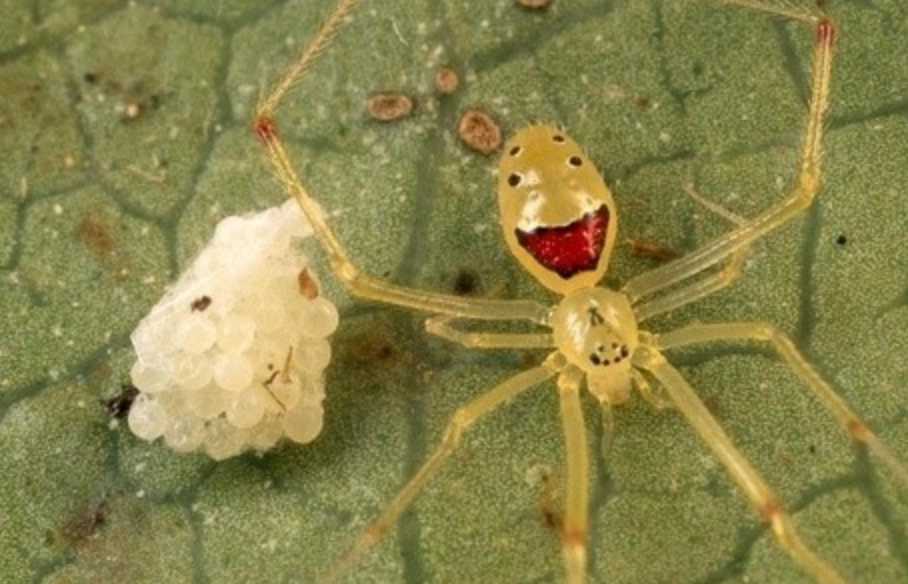
The Happy Face Spider: Hawaii’s Cryptic Arthropod with a Smiling Survival Strategy
Endemic to the rainforests of Hawaii, the happy face spider (Theridion grallator) is a tiny arachnid celebrated for its most whimsical trait—a ventral abdomen marked with patterns resembling a smiling face. Discovered in the 19th century, this cryptic spider has captivated entomologists with its unique coloration and the evolutionary mystery behind its cheerful design.
2 minute read
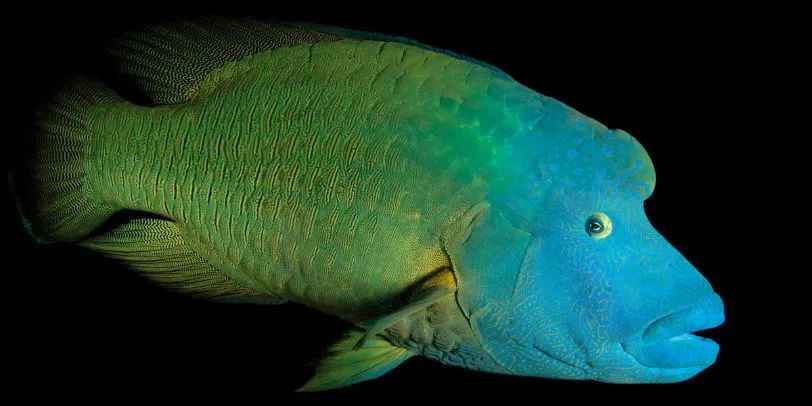
Giant Wrasse: Endangered Icon of Marine Ecosystems
The humphead wrasse (Cheilinus undulatus), a majestic marine species, remains listed as endangered, facing ongoing threats to its survival in global oceans. Renowned for its impressive size, adult individuals can reach a staggering weight of 180 kilograms, making it one of the largest reef-dwelling fish in the world.
1 minute read
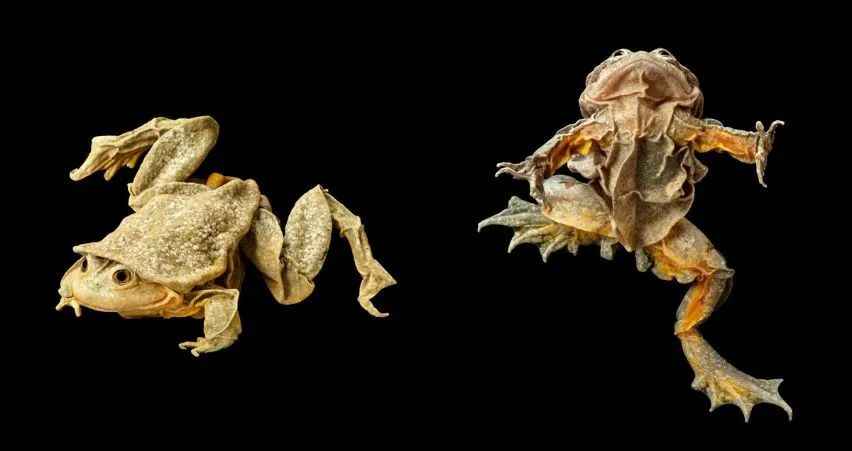
Andes' "Wrinkled Frog" Faces Extinction, Adapting to Thin Oxygen with Unique Skin
In the high-altitude waters of the Andes, a remarkable amphibian clings to survival against daunting odds. The Titicaca water frog (Telmatobius culeus), listed as critically endangered by conservation authorities, has evolved a striking adaptation to thrive in one of the harshest aquatic environments on Earth.
1 minute read
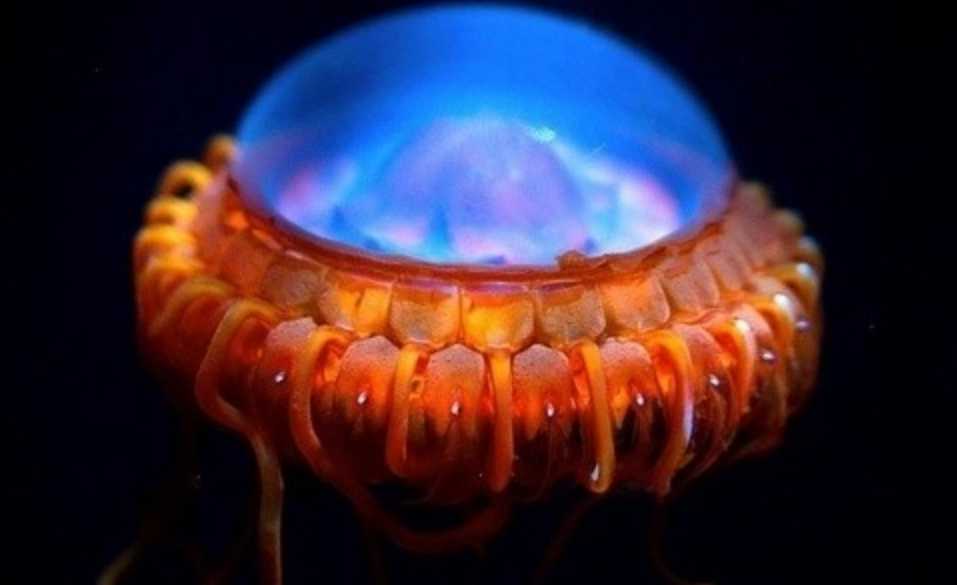
The Alarm Jellyfish: Ocean’s Bioluminescent Sentinel with a Flashing Defense Mechanism
The alarm jellyfish, scientifically known as Atolla wyvillei, is a deep-sea marvel renowned for its spectacular bioluminescent display—a natural defense strategy that earned it the nickname "alarm bell of the ocean." Found in mesopelagic and bathypelagic zones worldwide, this gelatinous creature has evolved a unique way to survive in the dark abyss by turning predation threats into the ultimate warning signal.
1 minute read
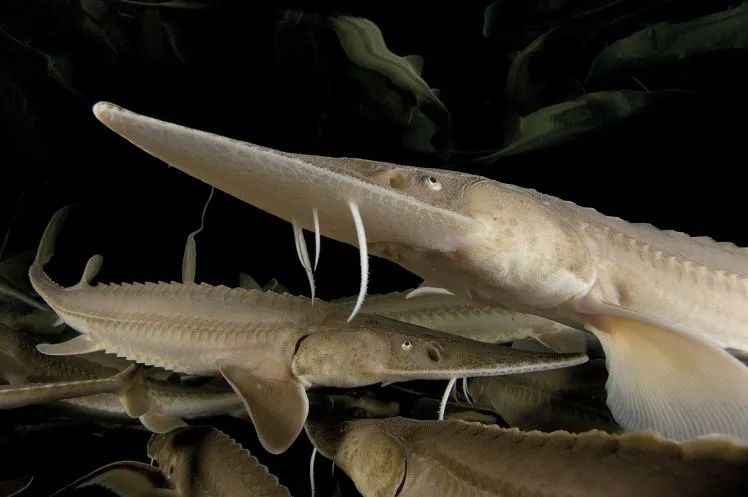
Ancient Survivor: Endangered Pallid Sturgeon, a Living Fossil from the Dinosaur Era
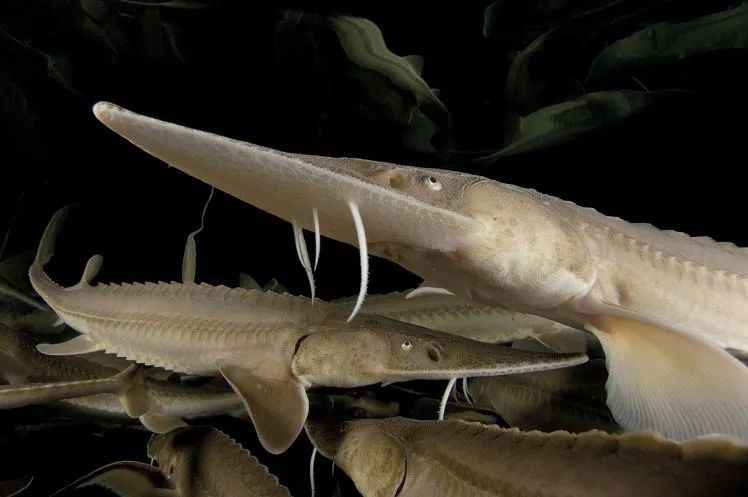
Beneath the waters of the Missouri River basin resides a creature that stands as a living testament to Earth's ancient past—the pallid sturgeon (Scaphirhynchus albus). Dubbed a "living fossil," this substantial fish traces its lineage back to the age of dinosaurs, persisting through tens of millions of years of geological shifts and biological evolution in these river systems.
1 minute read
Glowing Green Sea Slug with Bioluminescent Defense Discovered in Tropical Reefs
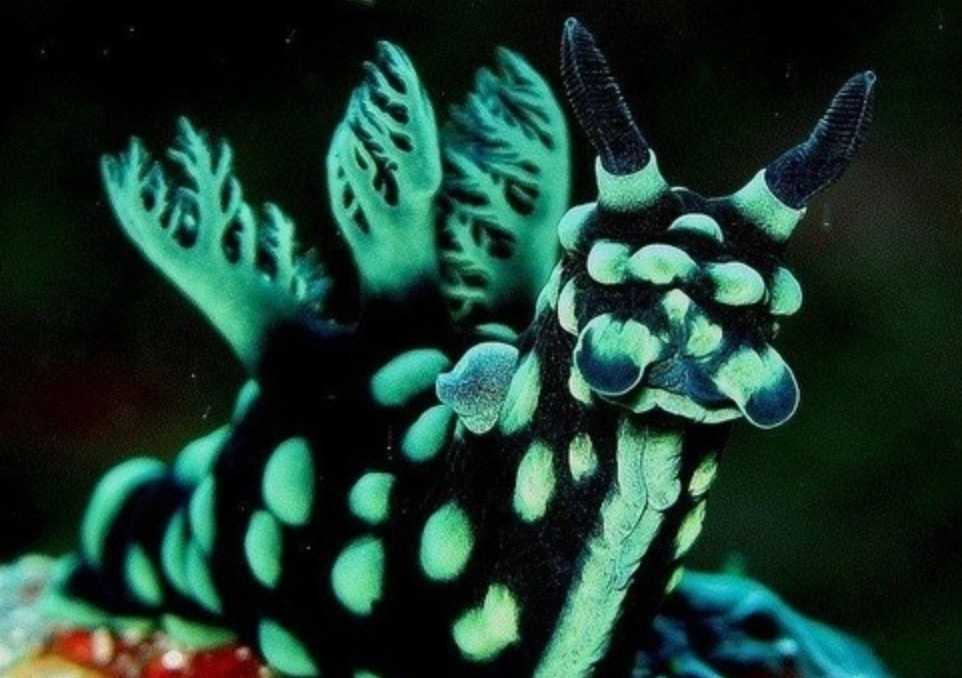
A striking new species of sea slug, Nembrotha cristata, has been documented in the coral reefs of the Indian and western Pacific Oceans, captivating marine biologists with its vivid coloration and unique survival tactics. Measuring up to 50 millimeters, this nudibranch mollusk features a vibrant green body dotted with bioluminescent spots and a distinctive crest-like ridge along its back, earning it the nickname "crest-shaped sea slug" . Its most remarkable adaptation is the ability to store stinging cells (nematocysts) from its jellyfish prey
1 minute read
Endangered "Cactus Pigs" of the Desert: The Struggle of Chacoan Peccaries
In the arid deserts of South America, an endangered pig-like species known locally as "taguá" (Chacoan peccary, Catagonus wagneri) is fighting for survival. These remarkable creatures have adapted uniquely to thrive in harsh desert conditions, with their diet centered on spiky cacti—an unusual food source that few other animals can exploit.
1 minute read
The Leatherback Turtle: Earth’s Colossal Marine Reptile Without a Traditional Shell
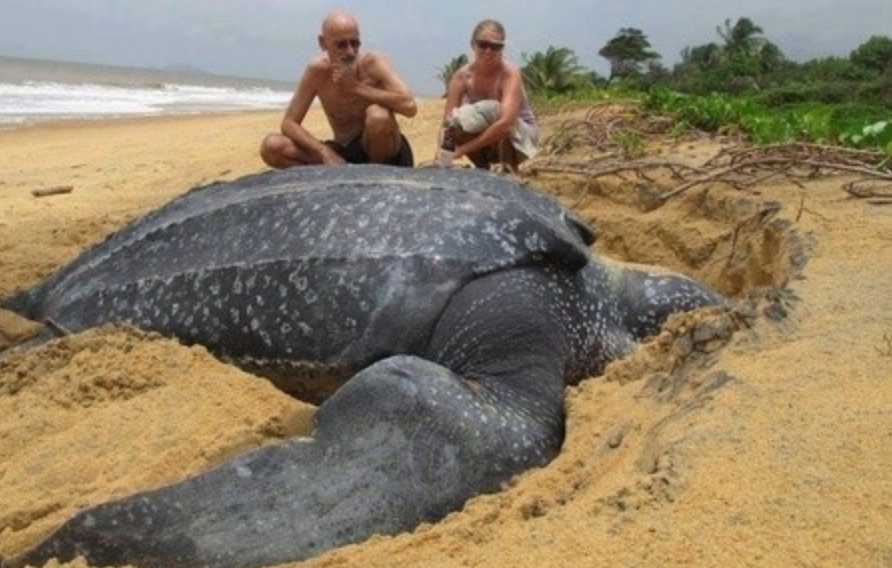
The leatherback turtle (Dermochelys coriacea) holds the title of the world’s largest turtle, capable of weighing up to 900 kilograms. Unlike other turtles, it lacks a hard bony shell. Instead, its back is supported by a flexible framework of bones covered by thick, rubbery skin, giving it a unique, leathery appearance that distinguishes it from all other chelonians.
1 minute read
Honduran Palm Pit Viper Faces Extinction as Prey Collapses
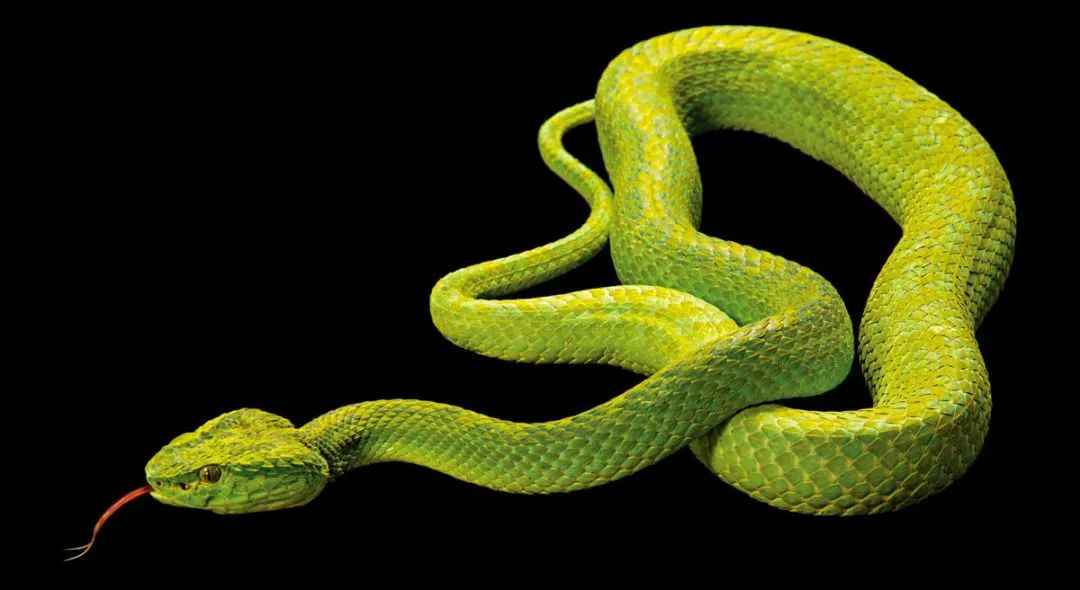
In the lush, mist-shrouded forests of Honduras, a silent crisis is unfolding for one of the region’s most unique reptiles: the Honduran palm pit viper (Bothriechis marchi). Classified as endangered, this elusive serpent, known for its striking coloration and arboreal habits, is teetering on the brink of disappearance, its fate tightly intertwined with the catastrophic decline of its primary prey—amphibians.
1 minute read
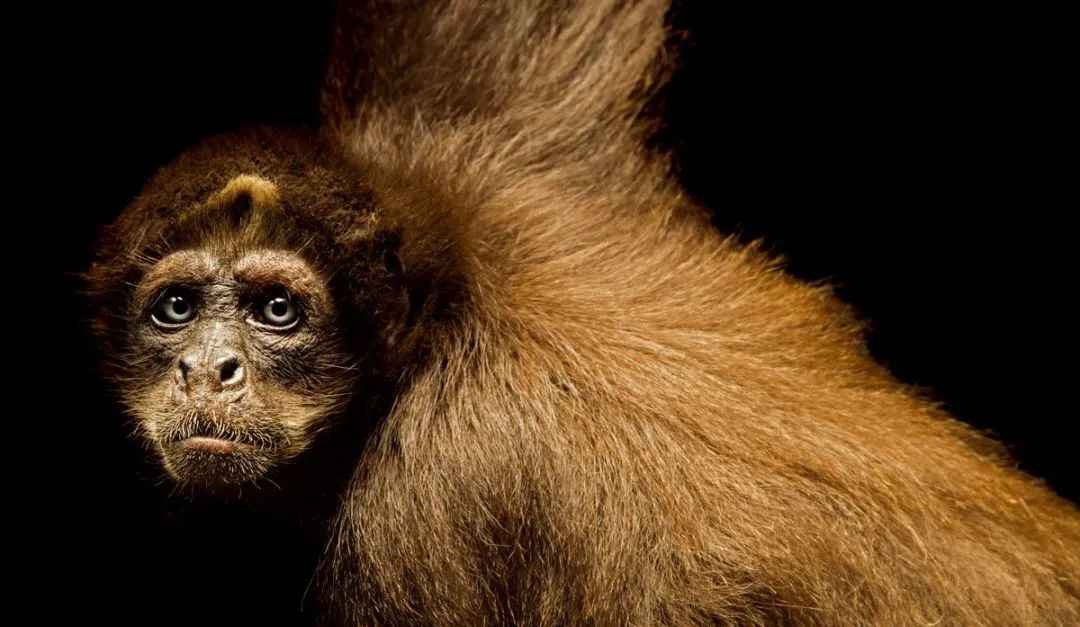
Critically Endangered Brown Spider Monkeys: Vital Seed Dispersers in South American Rainforests
Deep within the pristine rainforests of South America, a silent ecological crisis looms for one of the continent’s most imperiled primates: the brown spider monkey (Ateles hybridus). Classified as "Critically Endangered" by the International Union for Conservation of Nature (IUCN), this species plays an irreplaceable role in sustaining the health of its habitat—serving as a linchpin for seed dispersal that supports hundreds of plant species.
1 minute read
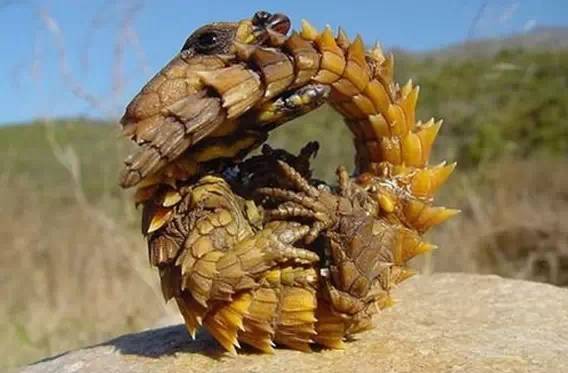
The Thorny Devil: Australia’s Armor-Plated Lizard with a Unique Survival Strategy
Native to the arid deserts of central and western Australia, the thorny devil (Moloch horridus), also known as the moloch or thorny dragon, is a reptile like no other. Covered in spiky protrusions and adapted to survive in harsh desert conditions, this small lizard has evolved extraordinary features to thrive in one of the world’s most unforgiving environments.
1 minute read
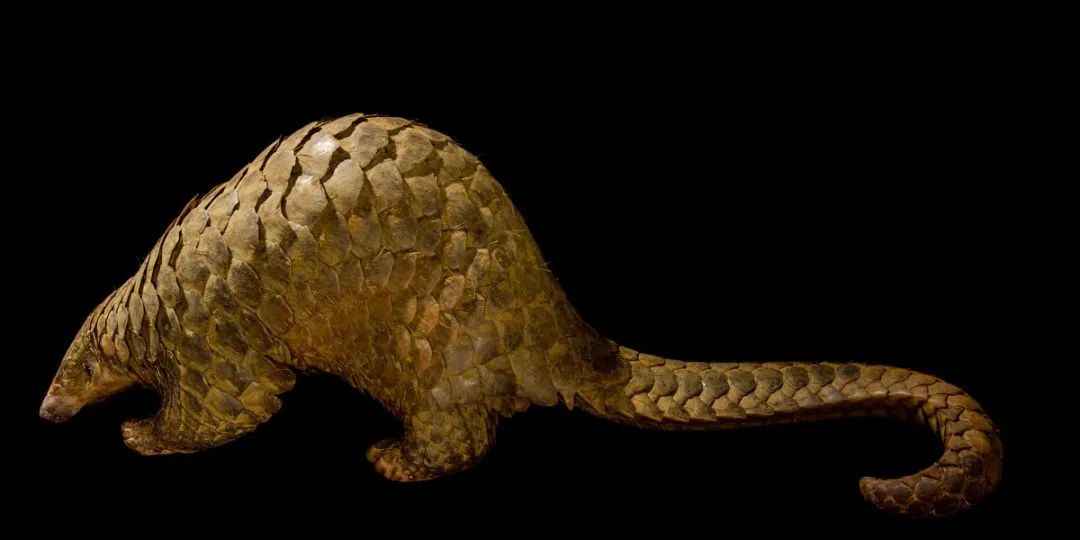
Critically Endangered: The Urgent Crisis Facing the Sunda Pangolin
The Sunda pangolin (Manis javanica), a unique scaly mammal native to Southeast Asia, stands at the brink of extinction, classified as "Critically Endangered" by the International Union for Conservation of Nature (IUCN). Among the world’s eight pangolin species, it is widely regarded as the most imperiled, with its survival hanging in the balance due to relentless human activities.
1 minute read
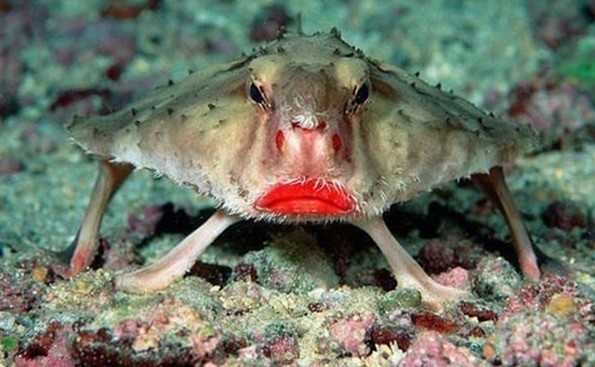
The Red-Lipped Batfish: Galápagos’ Quirky Underwater Celebrity with a Pouty Predatory Style
Native to the coastal waters of the Galápagos Islands and Peru, the red-lipped batfish (Ogcocephalus darwini) has become an internet sensation for its most striking feature—bright red, pouty lips that contrast vividly with its grayish-brown body. This unusual fish, adapted for life on the ocean floor, trades swimming for "walking" using modified pectoral fins, making it a fascinating example of evolutionary specialization.
2 minute read