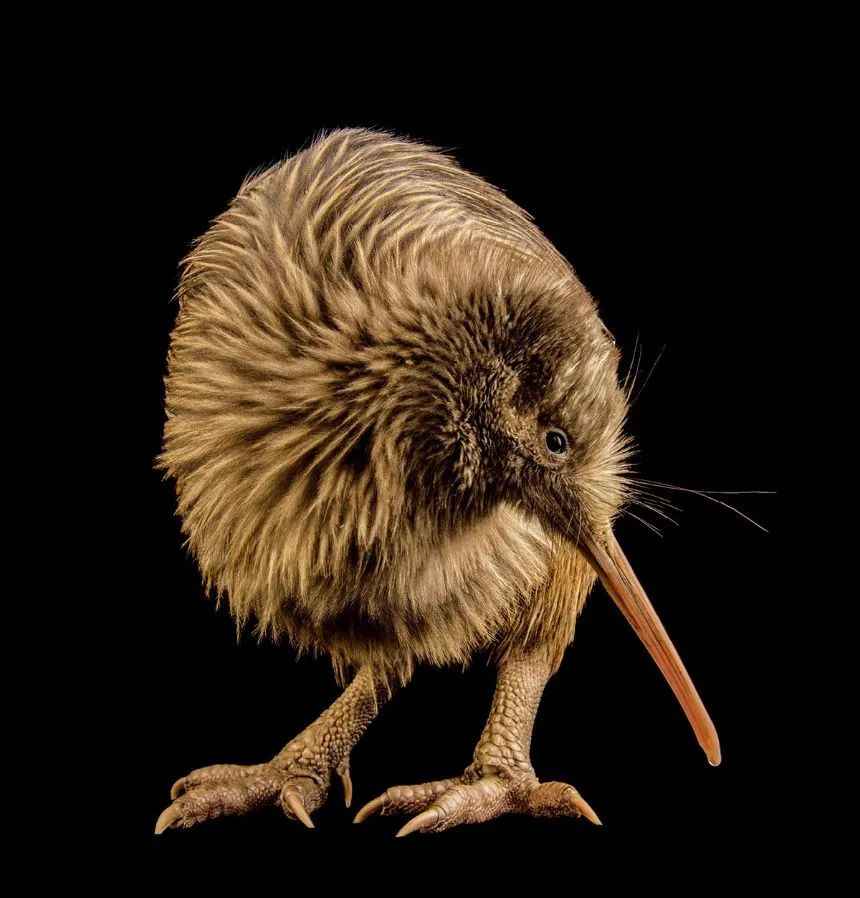
Endemic Okarito Brown Kiwis in New Zealand Face Severe Threat from Invasive Species
WELLINGTON, July 17 (Xinhua) -- The Okarito brown kiwi (Apteryx rowi), a flightless bird endemic to New Zealand, is teetering on the brink of a growing survival crisis. Classified as "Vulnerable" by the International Union for Conservation of Nature (IUCN), this unique species is grappling with relentless threats from invasive predators like stoats, which have wreaked havoc on their nests and chicks, putting the entire population at risk.
1 minute read
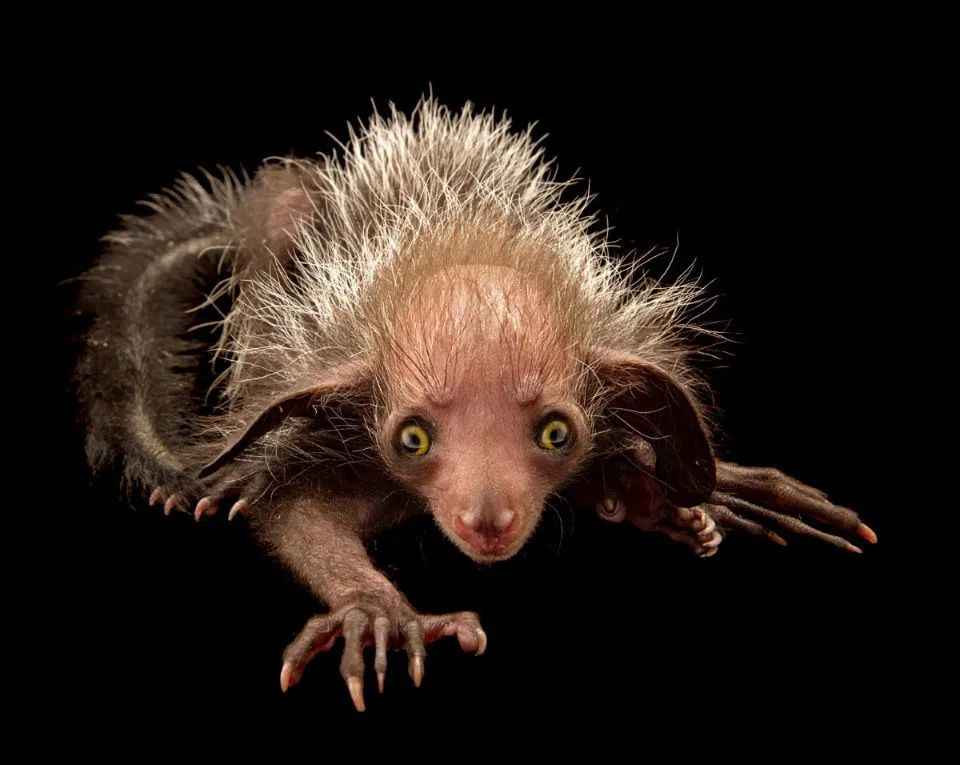
Madagascar's Aye-Aye: Endangered Creature Haunted by 'Cursed' Digit
Deep within Madagascar's rainforests resides one of Earth's most peculiar primates—the aye-aye (Daubentonia madagascariensis). A unique mammal, it boasts a remarkable adaptation: an extraordinarily slender, elongated middle finger. This specialized digit, the most dexterous part of its body, serves as a vital survival tool, acting like a precision probe to extract insect larvae from tree bark crevices or scoop out fruit pulp, perfectly suited to foraging in the complex jungle environment.
1 minute read
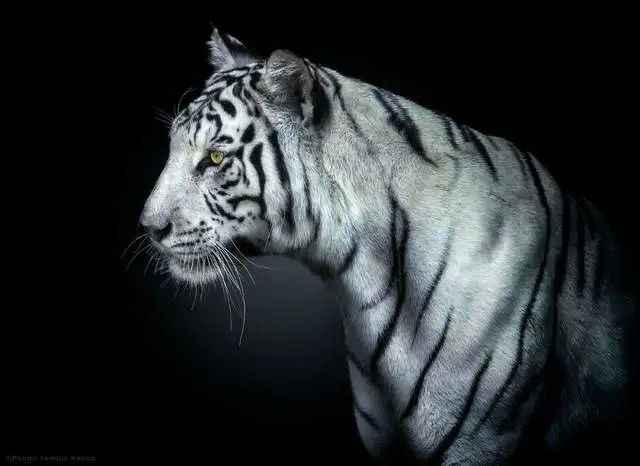
Bengal Tigers in Crisis: Over 96% of Wild Population Lost in a Century
The global population of Bengal tigers currently stands at approximately 24,000, but a closer look at the figures reveals a worrying reality: only around 3,200 of these majestic creatures live in their natural wild habitats, while nearly 20,000 are in captivity. This stark contrast becomes even more alarming when compared to historical records.
1 minute read
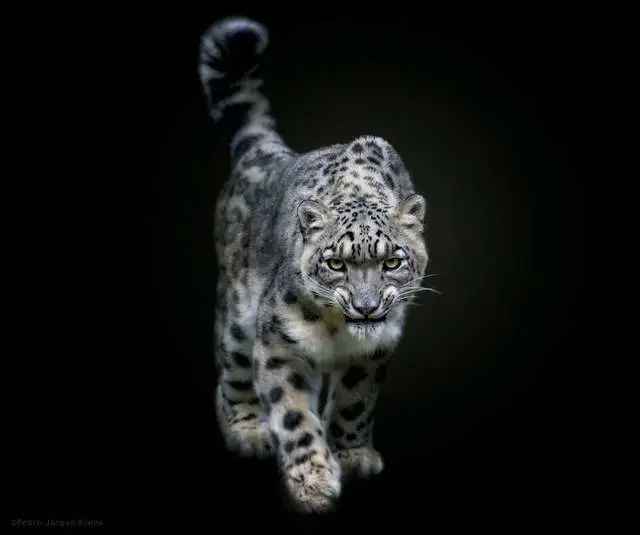
The Ghost of the Himalayas: Unveiling the World's Most Enigmatic Big Cat
The snow leopard, known as the "ghost of the mountains," ranks among the world's most elusive big cats. Inhabiting the Himalayan range and high-altitude regions of Central Asia, they dwell at elevations between 3,000 and 5,500 meters. The extreme cold, rugged terrain, and remote location create a natural geographical barrier, keeping them largely isolated from human contact.
2 minute read
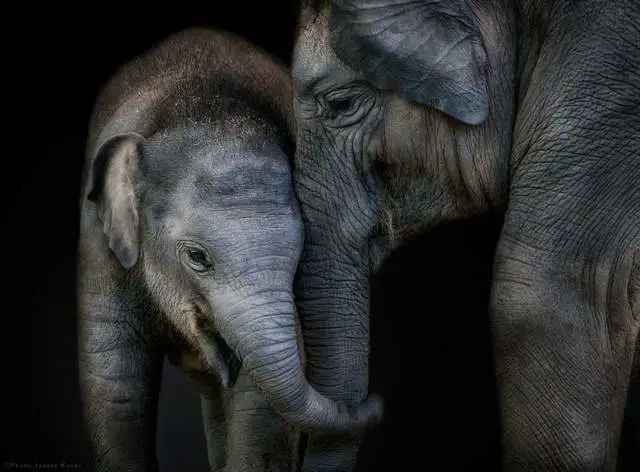
Asian Elephants vs. African Elephants: Key Differences, Hybridization Barriers, and Shared Endangerment
Asian elephants and African elephants, the two largest land mammals on Earth, exhibit numerous distinct differences and face significant genetic barriers to interbreeding.
1 minute read
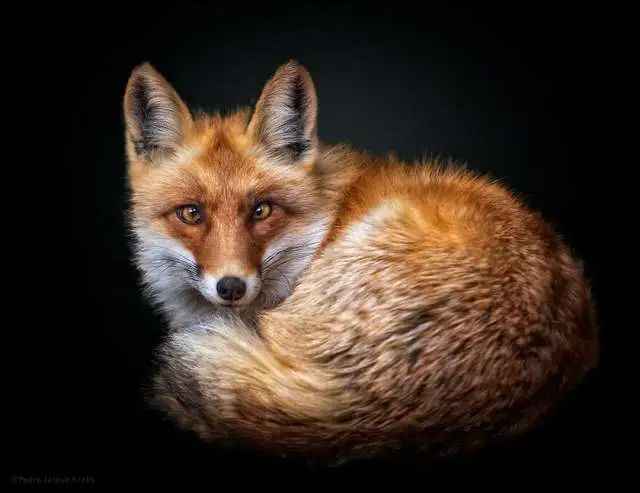
Red Fox: A Master of Adaptation in the Wild
Red foxes, scientifically known as Vulpes vulpes, are among the most widespread and adaptable carnivores on Earth, thriving across diverse habitats from the frozen tundras of the Arctic to the bustling outskirts of urban centers. Their iconic rusty-red coat, white underbelly, and bushy tail—often tipped with white—make them easily distinguishable, while their pointed ears and sharp snouts reflect their keen senses, critical for survival.
1 minute read
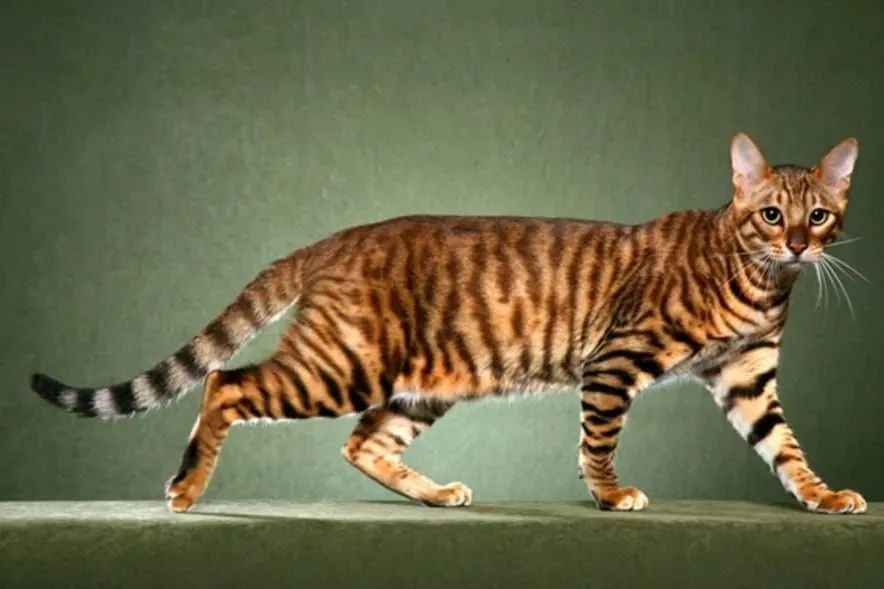
Toyger: The Feline Breed That Channels the Spirit of Tigers
In the realm of domestic cats, one breed stands out for its striking resemblance to the wild tiger—the Toyger. Bred to capture the essence of its majestic big cat cousin in a compact, household-friendly form, this unique feline has been turning heads among pet enthusiasts worldwide.
1 minute read
The Bashkir Curly Horse: Nature’s Living Mane Masterpiece Bred by Bashkir People
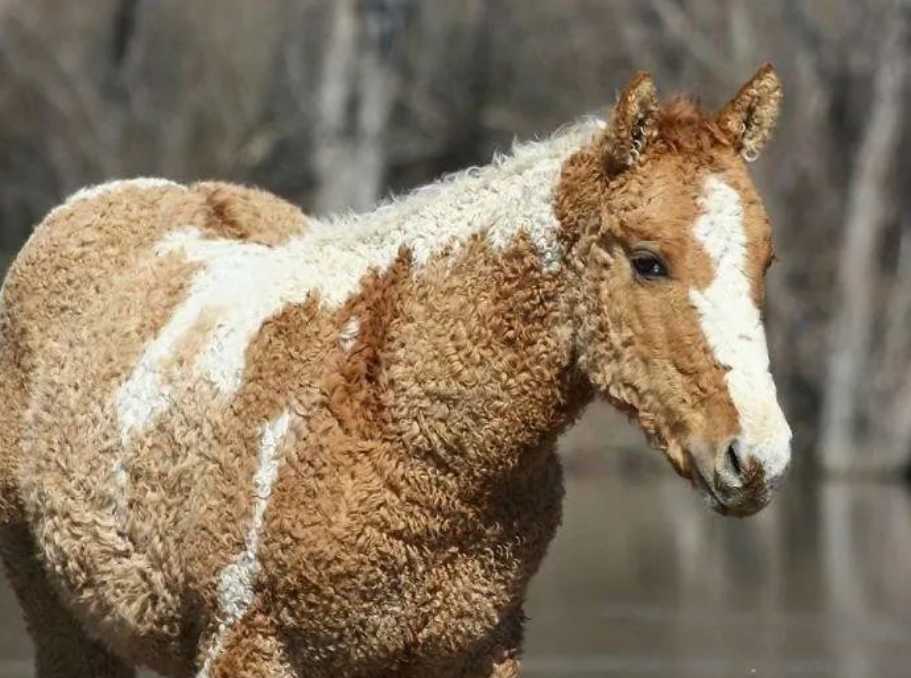
Hailing from the Ural Mountains of Russia, the Bashkir curly horse (Bashkirskaya Kruglaya) stands out with its most iconic trait—dense, spiral - curled fur that resembles a meticulously styled perm. Bred for centuries by the Bashkir people, this rare breed combines striking aesthetics with remarkable hardiness, thriving in the harsh climates of its native land.
2 minute read
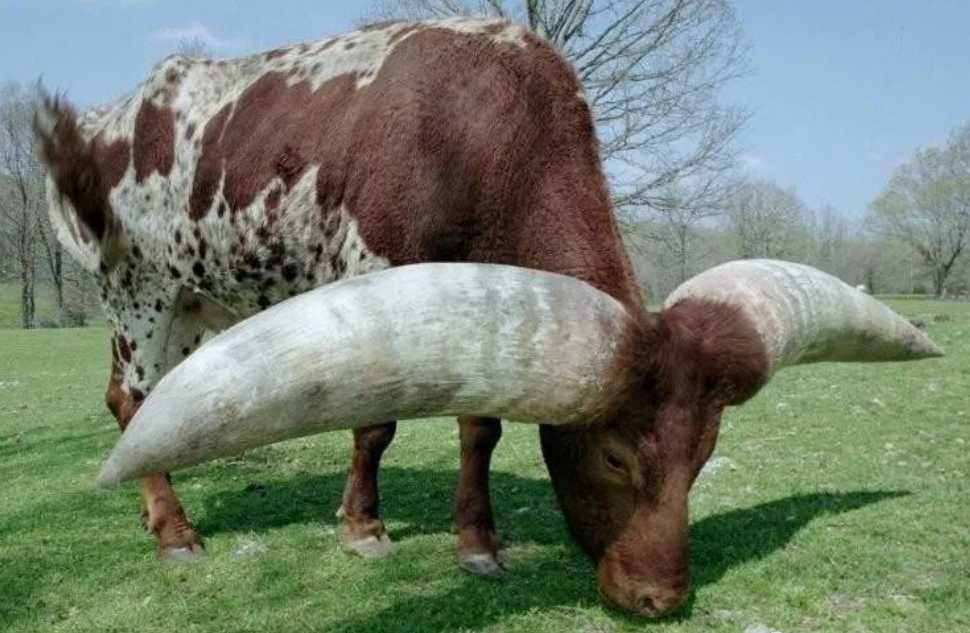
The Watusi Cattle: Africa’s Majestic Horned Giants with Cooling Superpowers
Native to southern Africa, the Watusi cattle (also known as Ankole-Watusi) command attention with their extraordinary horns—measuring up to 2.4 meters from tip to tip when fully grown. More than just a defensive weapon, these iconic appendages house a biological marvel: a honeycomb structure that acts as a natural radiator, cooling the bloodstream before it circulates through the body.
2 minute read
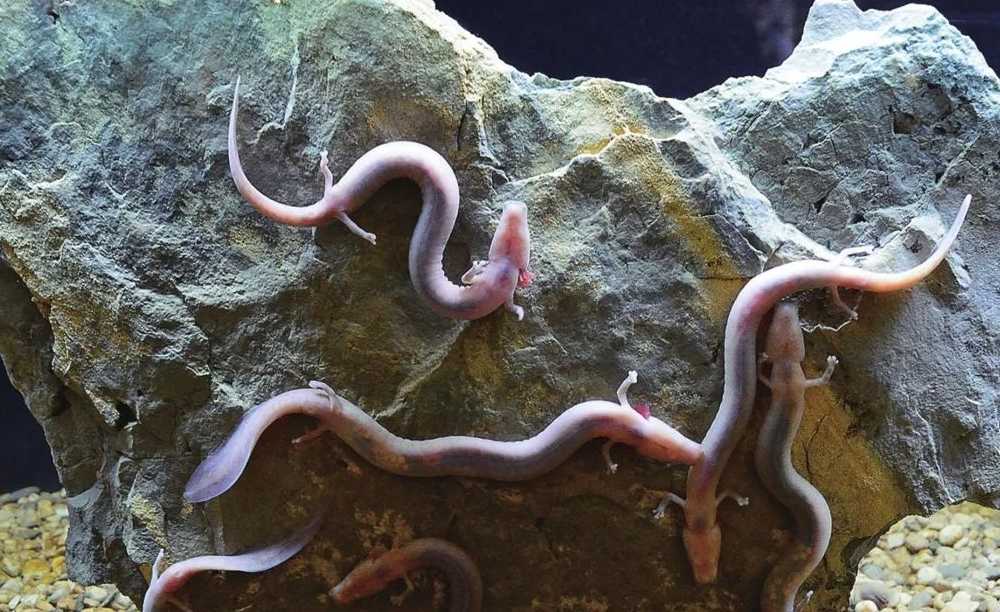
The Olm: Nature’s Living 'Dragon' of Alpine Caves
Often hailed as the closest real-life counterpart to mythical dragons, the olm (Proteus anguinus) dwells in the limestone caves of the Alps. With a serpentine body, tiny limbs, and three pairs of vibrant red feathery gills, this amphibian bears an uncanny resemblance to legendary dragon depictions—minus scales. Native to underwater cave systems in Slovenia, Croatia, and Bosnia, it has inspired myths for centuries, and its image is frequently misused in online hoaxes claiming to show "baby dragons."
2 minute read
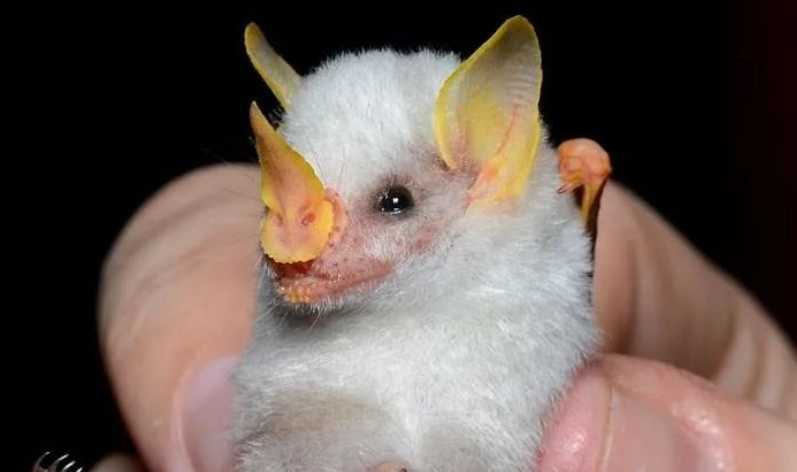
The Honduran White Bat: Nature’s Fluffy, Pastel-Colored Flying Puffball
Hailed as the world’s cutest bat, the Honduran white bat (Ectophylla alba) charms with its snowy-white fur, vibrant orange nose, ears, and wings—a whimsical color palette that defies all bat stereotypes. Native to the rainforests of Central America (Honduras, Nicaragua, Costa Rica, and Panama), this tiny chiropteran measures just 3–5 cm long, making it one of the smallest bat species on Earth. Its cottony appearance and miniature size have earned it a reputation as the "teddy bear of the bat world."
2 minute read